
New study finds stem cell trials for tendon injuries lack critical rehab
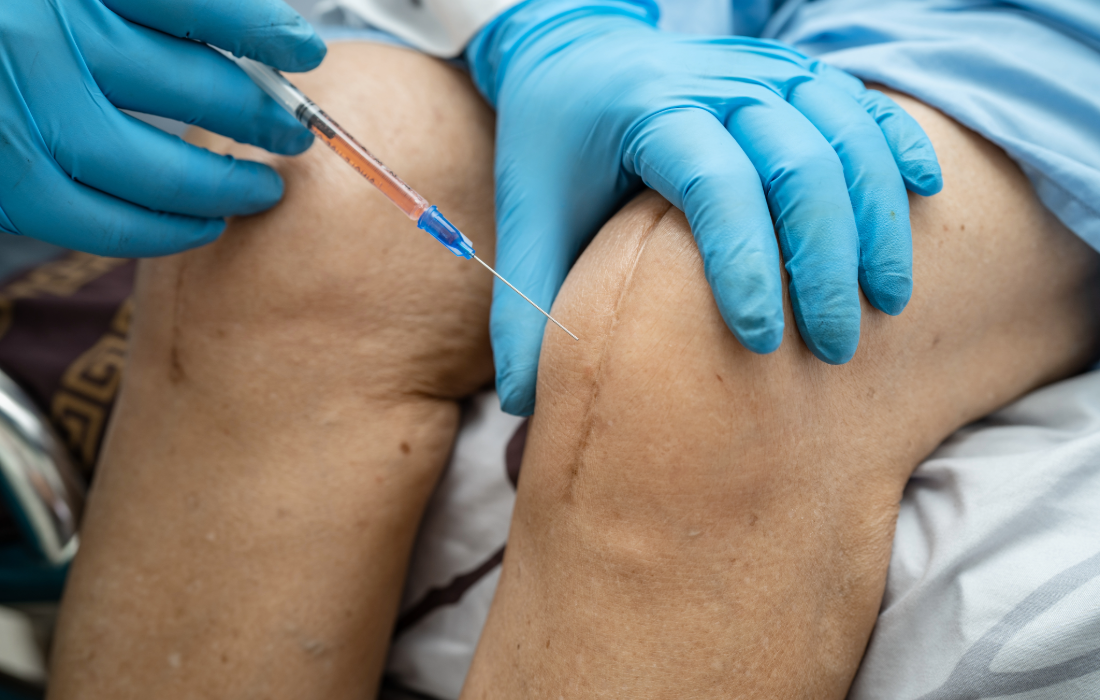
Stem cell trials for tendon injuries risk failure without proper rehabilitation, say researchers at Glasgow Caledonian University.
Out of 142 studies exploring the use of mesenchymal stem cells (MSCs) to repair tendon damage only eight were randomised trials and almost none included rehab detail.
“Tendon tissue and stem cells both rely on mechanical loading to stimulate repair. Without structured rehab, stem cells won’t be able to do what they’re designed to do. The lack of consideration of rehab in those clinical trials was very concerning and surprising,” said Dr David Hamilton, a leading physiotherapist at the University, who led the review.
The study, published in collaboration with NHS Lanarkshire Consultant Trauma and Orthopaedic Surgeon Professor Graeme Hopper, raises concerns that the effectiveness of MSC therapies - hailed by some as a potential breakthrough for chronic tendon injuries - could be severely limited by inconsistent or missing post-treatment rehabilitation.
Tendon injuries are common but notoriously slow to heal. MSC therapies offer hope particularly for patients who don’t respond to conventional treatment, but without rigorous rehab protocols there is a risk of failure.
Dr Hamilton explained: “Tendon injury is a big problem. It’s estimated that, globally, around 5% of people have tendinitis at any one time. Shoulders, knees and Achilles tendon injuries are particularly common in more active people, especially the Achilles with around 150,000 cases is the UK alone per year.
“Tendon injury can be a real problem to treat if the inflammation becomes a chronic problem - physio and surgery are options - but nothing works really well to be honest. Tendon stem cell therapy is a relatively new area that could offer real hope. The science is sound in that MSCs ‘should’ help healing but high-quality clinical data on its effectiveness is still sadly lacking.”
Mesenchymal stem cells are derived from bone marrow or fat tissue and have shown the ability to regenerate damaged tissues. They are increasingly being used in sports medicine and orthopaedics as an alternative to surgery or long-term physiotherapy. However, tendon healing doesn’t happen in isolation as it depends on movement. Mechanical loading, via stretching, strengthening and specific rehab protocols, is what stimulates both tendon cells and stem cells to help them regenerate properly.
Professor Hopper, co-author of the study, said: “We are calling for a higher standard in future MSC trials, including detailed rehab plans, clear documentation and collaboration with physiotherapists to ensure patients receive the necessary post-intervention loading”.
“This isn’t just an academic issue,” added Dr Hamilton. “If we want stem cell therapy to succeed in the real world, we need to pair it with the fundamentals of tissue healing, starting with rehab.
“We had hoped to find good clinical trials that would bring us a step closer to having the evidence that stem cell therapy actually works and to introducing the treatment as an alternative for patients around the world but we are way off because of the lack of attention to rehab. One will not work without the other.
“As a centre of excellence for rehabilitation, Glasgow Caledonian is well placed to lead on further research studies into this important treatment.”
Dr Hamilton is the School of Health and Life Sciences’ Interim Associate Dean Research and co-lead of the Research Centre for Health Musculoskeletal Health Research Group.
The research paper is available online open access -https://pmc.ncbi.nlm.nih.gov/articles/PMC12296693/